




What a home system should cover
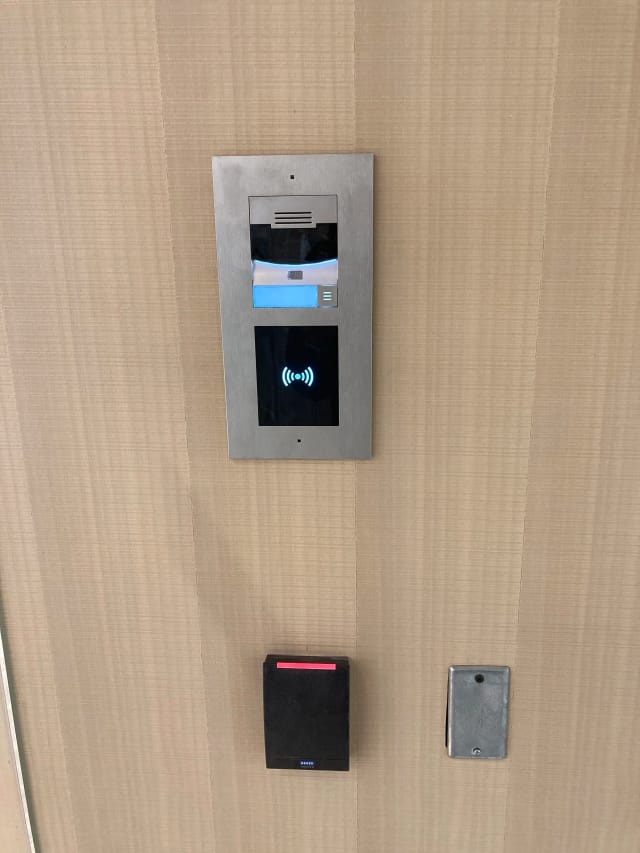
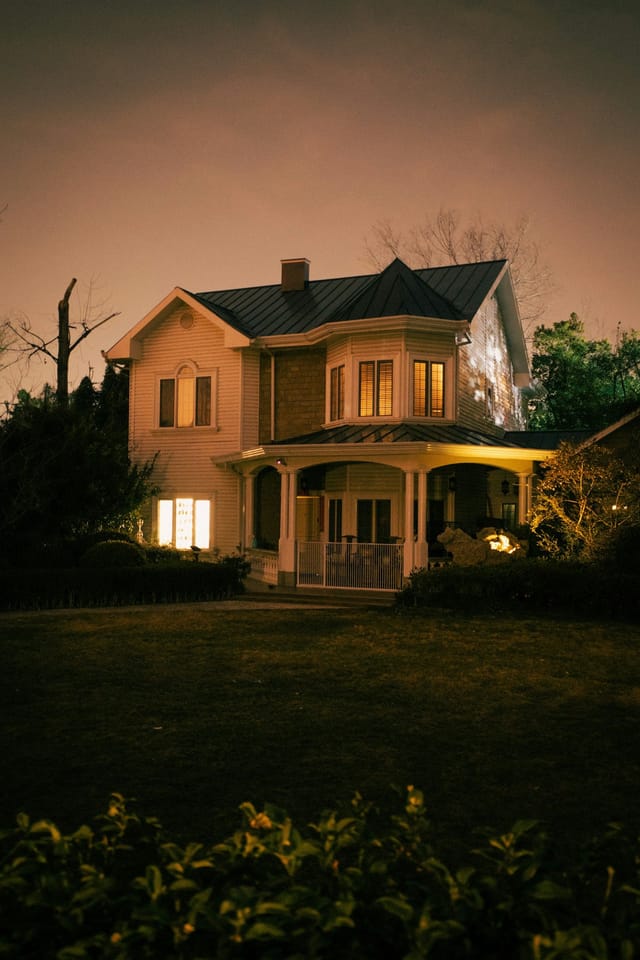
A good home system starts where someone would come in. On a typical Long Island house that is the front door, the back or side door, the garage and the ground-floor windows; in Nassau County 76.1% of homes are single-family detached houses, and in Suffolk 79.7%, according to the Census Bureau's 2024 five-year estimates. Cameras cover the driveway, the doors and the yard, with enough detail at the door to see a face. Alarm contacts sit on every door and the windows that matter, with motion sensors on the paths through the house. A video intercom or doorbell lets you see who is there before you open up. In the city, the front door may be a lobby, and the job shifts to the apartment door, the building's intercom and cameras you control.
License and permits on Long Island
New York licenses alarm work. Under General Business Law Article 6-D, anyone who installs, services or maintains an alarm system for others needs a Department of State license. The law exempts owners who install a system on their own property themselves, but once you hire someone, they must be licensed. You can check any installer with the Department of State's licensee search.
Nassau and Suffolk counties also require homeowners in their police districts to register their alarms. Nassau's permit costs $100 for a home and lasts two years; Suffolk's costs $50. Both fine false alarms after the first two, starting at $100 for a home, and unregistered alarms are fined from the first one. Suffolk names user error, system faults, and pets and moving curtains as the usual causes, so we place motion sensors with your pets and heating in mind and teach everyone in the house how to arm and disarm.
Keep your cameras private
Home cameras are connected devices, and the risk is real. CISA, the federal cybersecurity agency, warns that default passwords are easily found online and recommends strong passwords, multi-factor sign-in where available, and installing software patches as soon as they come out. We set unique passwords on every recorder and camera, give access only to the people you name, and keep remote viewing on the manufacturer's secure app rather than open ports on your router.
Two-families and small apartment buildings
Owners of small buildings have rules of their own. In New York City, a building with keyless entry for tenants (fobs, cards, phone apps or biometrics) falls under the Tenant Data Privacy law: tenants get a written data policy, the system collects only the minimum data, authentication data is destroyed within 90 days unless anonymized, and the data may not be sold or shared outside narrow exceptions. Under Multiple Dwelling Law 50-a, class A multiple dwellings built or converted after January 1, 1968 with eight or more apartments need an intercom at the self-locking main entrance door, with a release in each apartment.
What to prepare
- The doors, windows and areas you worry about most, and where packages are left.
- Who lives in the house, pets included, and who needs codes or app access.
- Your internet provider and where the router sits.
- Your police district's alarm permit form, or ask us to point you to it.
What moves cost and time
- Coverage. Each camera, sensor and door adds equipment and a cable run.
- The house. Finished basements, plaster walls and two-story runs take longer than open attics.
- Outdoor work. Gates, detached garages and long driveways need trenching, conduit or wireless links.
- Network. Weak Wi-Fi or no cable to the router may need an access point or a new run.
How we run a home job
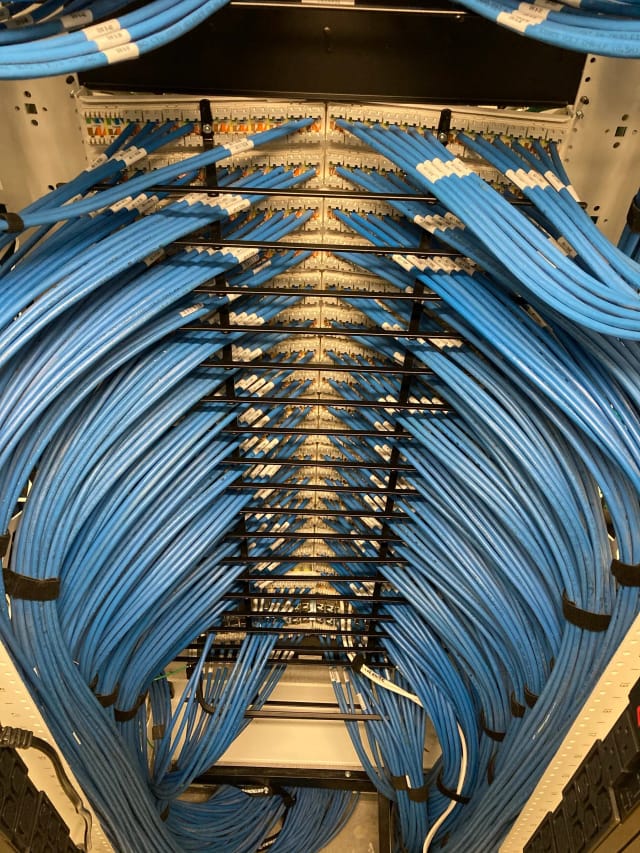
We walk your home with you free, then send a plan and a written proposal with the schedule and the price. Our crew runs the cable neatly, installs and aims everything, cleans up, tests the system and sets up the apps on your family's phones. Every job is finished on time and on budget, or 15% off.
Sources
- Home and Commercial Surveillance Systems InnoTech, old website.
- American Community Survey 2024 5-year estimates, via the Census Reporter API U.S. Census Bureau.
- General Business Law section 69-M New York State.
- Nassau County Alarm Permit and Suffolk County Alarm Permit All Island Security.
- Secure New Internet-Connected Devices Cybersecurity and Infrastructure Security Agency.
- Tenant Data Privacy Law NYC Department of Housing Preservation and Development.
- Multiple Dwelling Law section 50-a New York State.


