






Why systems drift
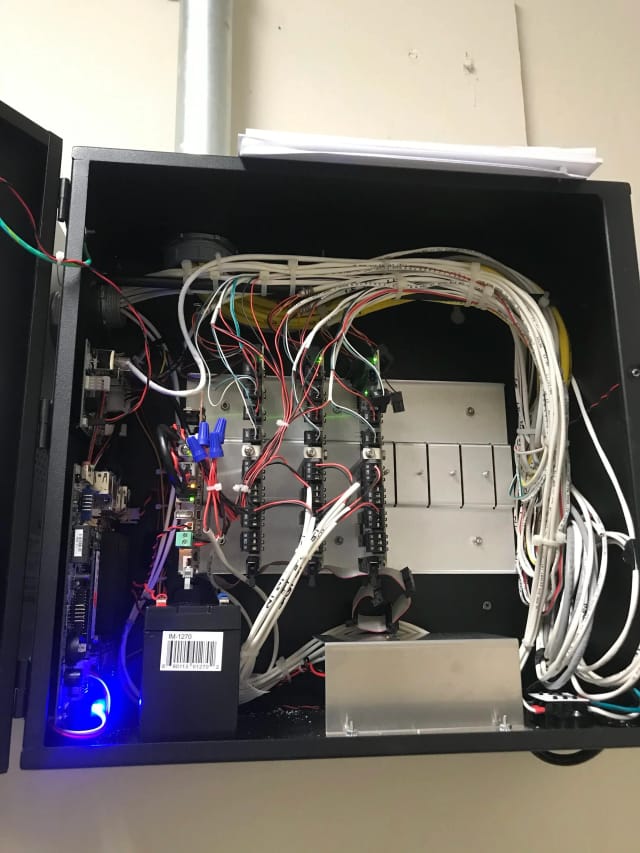
Security systems don't usually fail all at once. A camera gets bumped and now watches a wall. A spider builds a web across an infrared lens. A door closer wears out and the door stops latching, so the alarm or access log shows it open all night. Batteries in panels and power supplies age. Passwords spread to people who left. Firmware falls behind while new vulnerabilities are published. None of it is dramatic, and all of it adds up to a system that looks fine on the wall and fails the night it's needed.
Service is licensed work in New York
New York treats servicing and maintaining an alarm system like installing one. General Business Law Article 6-D defines the licensed business as installing, servicing or maintaining a system that detects intrusion, break-in, movement, sound or fire, and since October 1, 1992 no one may do that work for others without a Department of State license. Service and maintenance is one of the five modules in the 81 hours of coursework the license requires. Unlicensed technicians may work only for a licensed company, carrying an identification card issued on the state's form. Innovation Technology & Security LLC's license is #12000376737, valid through July 10, 2028.
False alarms cost money
On Long Island, a neglected alarm is expensive. Nassau and Suffolk counties both require alarm permits in their police districts and fine false alarms after the first two in a period: $100 for a home and $150 for a business, rising for each call after that. Suffolk's police answered nearly 98,000 false alarms in 2015 and name the usual causes as user error, system faults, and things like pets and moving curtains. Under General Business Law 69-vvv, a town or county may bill the alarm company only when the false alarm comes from a deficiency in the system or the company's error; the rest falls on the owner. A service visit that resets a delay, moves a motion sensor away from a heater or retrains a new manager is cheaper than a second fine.
Cameras and recorders are computers
Recorders, cameras, intercoms and access panels on your network need the same care as any computer. CISA, the federal cybersecurity agency, notes that default passwords are easily found online, recommends strong passwords and multi-factor sign-in where it is offered, and advises applying patches as soon as manufacturers release them. In December 2023 it went further and urged manufacturers to stop shipping default passwords at all. Under service, we keep firmware current, remove users who left and check who can reach the system from outside.
What a maintenance visit checks
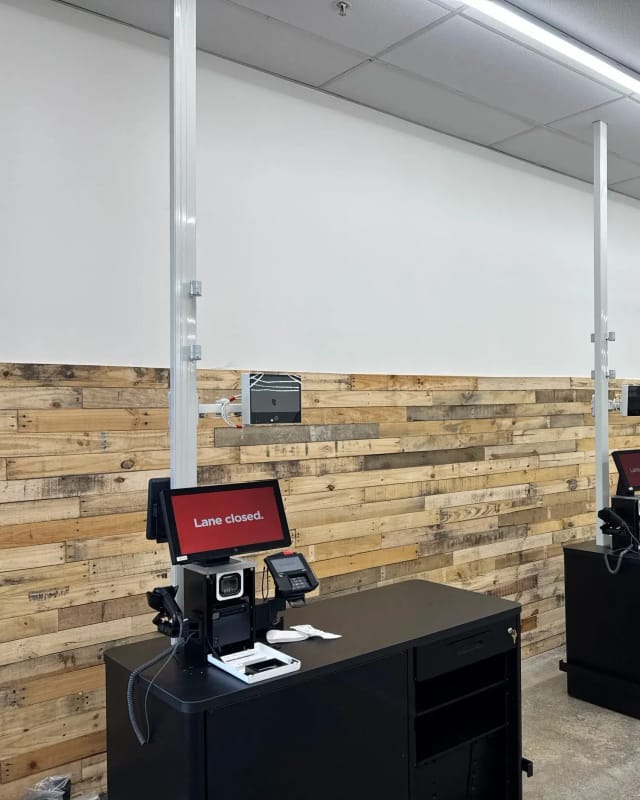
- Cameras: every view, focus and night image, recording retention and the clock on the recorder.
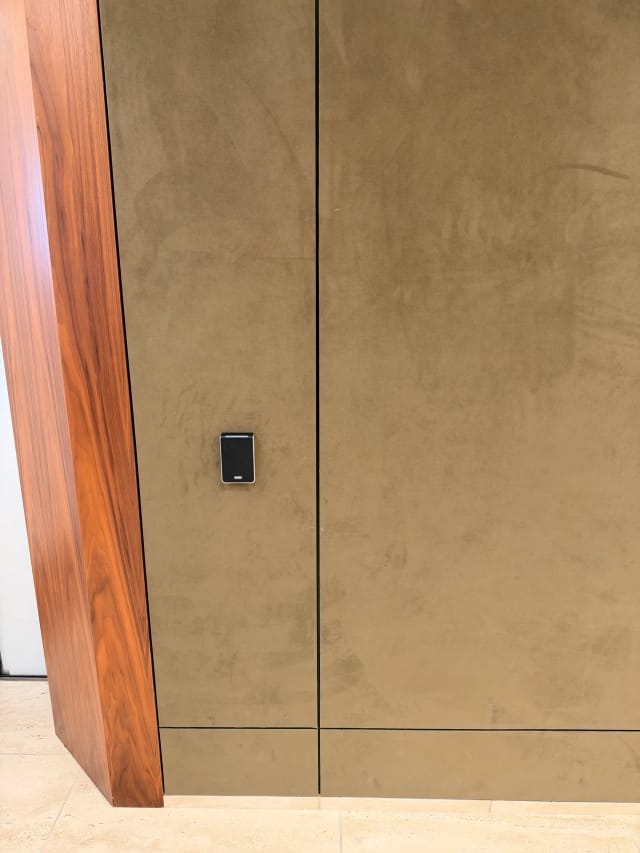
- Doors: every reader, lock, door contact and exit device, and the fire alarm release where one exists.
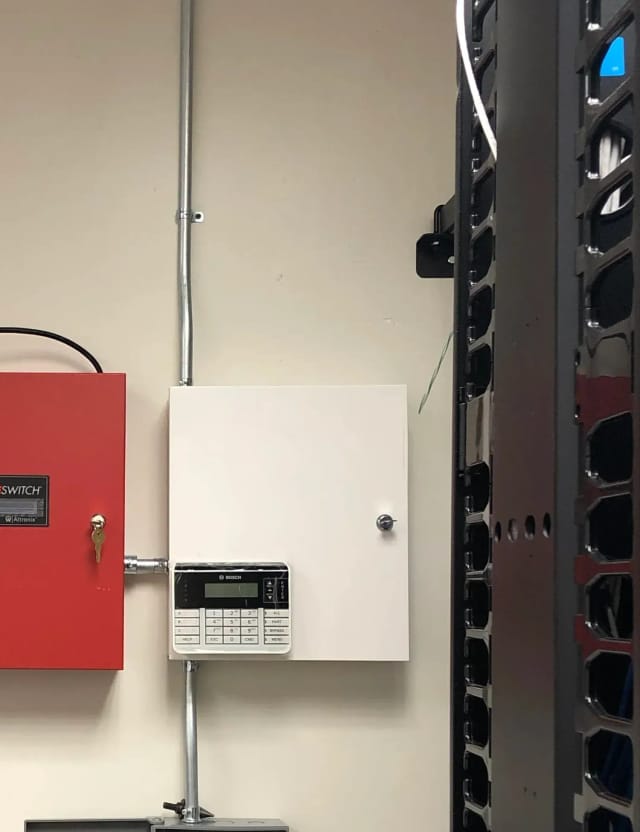
- Alarms: every sensor tested at the panel, batteries checked, delays and user codes reviewed.
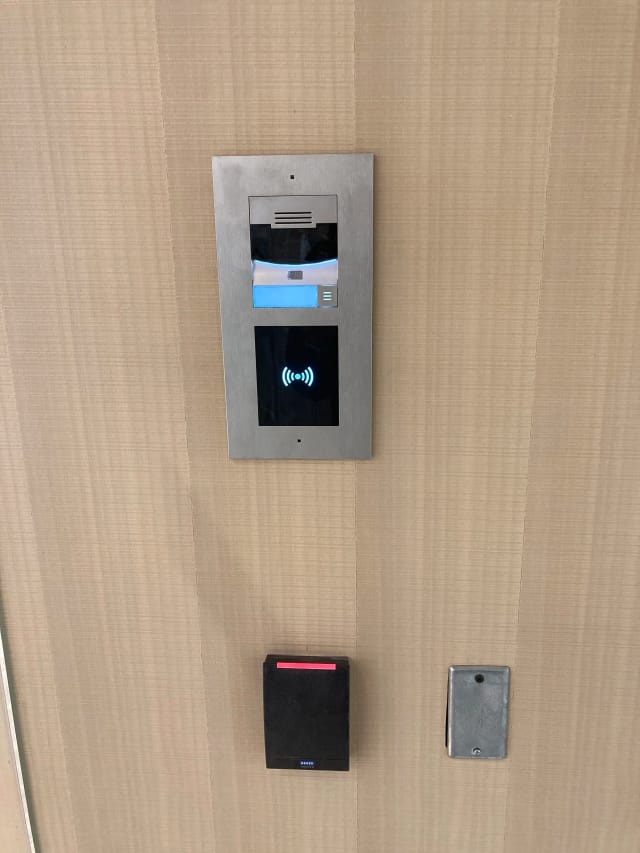
- Intercoms: every station or app account called, the door release tested.
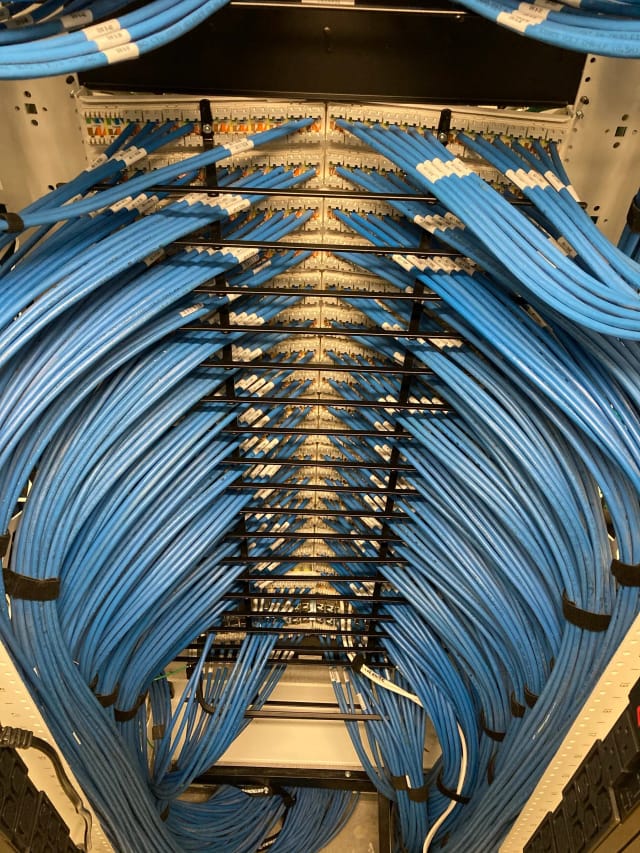
- Cabling and racks: power, switches, patching and anything added since the last visit.
What moves cost and time
- System size. More cameras, doors and zones take longer to check.
- Age. Older systems need more parts, and some parts are no longer made.
- Access. Lifts, ceilings and after-hours visits add time.
- Who installed it. On systems we installed, we already have the drawings, passwords and history.
How we handle a ticket
Call (516) 849-4405 or email us with what failed and where. We find out what we can before we roll, bring the likely parts, and get a tech on site to fix it. When the system is working, we tell you what we found and what we did. Larger repairs and upgrades get a written proposal with the schedule and the price first.
Sources
- General Business Law section 69-L, section 69-M and section 69-VVV New York State.
- Get Security or Fire Alarm Installer License New York Department of State.
- Licensee Search: Innovation Technology & Security LLC New York Department of State, Division of Licensing Services.
- Nassau County Alarm Permit and Suffolk County Alarm Permit All Island Security.
- Secure New Internet-Connected Devices and Secure by Design Alert: Eliminate Default Passwords Cybersecurity and Infrastructure Security Agency.


